Pack Light, Travel Easy: Minimalist Digital Packing Planner
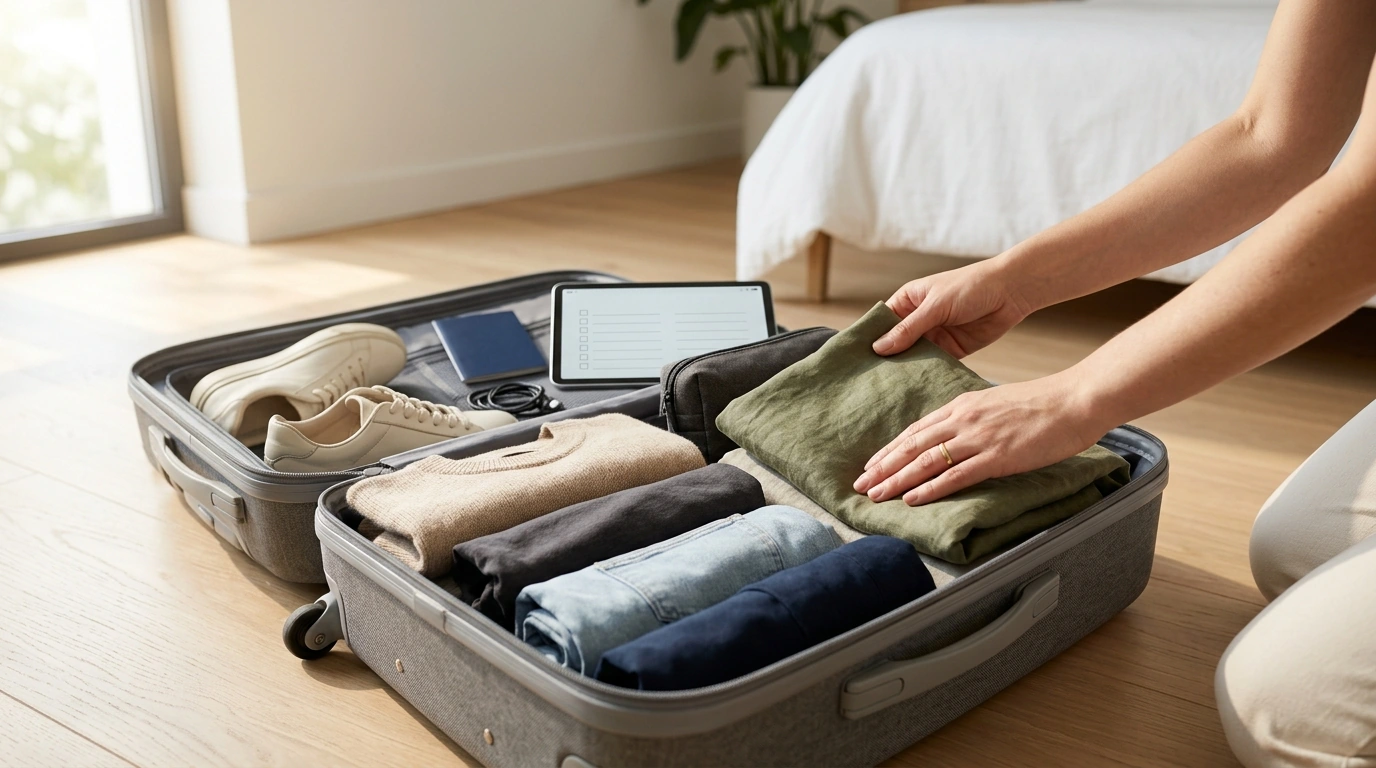
Minimalist Travel Packing Planner: A Digital Guide to Pack Light and Leave Stress Behind
Packing light is less about owning fewer things and more about making better decisions before the suitcase opens. A minimalist approach reduces last-minute scrambling, avoids duplicate “just in case” items, and makes every travel day simpler—from airport security to unpacking. This guide lays out a practical, repeatable packing system built around a digital planner that helps map outfits, essentials, and trip-specific needs without overpacking.
What “minimalist packing” really means
- Prioritizes function: every item earns its space by solving a real need on the trip.
- Builds around re-wear and mixing: a small number of compatible pieces creates many outfits.
- Uses a checklist system: decisions happen once, then get reused and refined each trip.
- Reduces mental load: fewer categories, fewer “maybes,” and fewer forgotten basics.
Minimalist packing isn’t about suffering through a trip with too little. It’s about designing a small “capsule” that works across multiple days, weather shifts, and social settings—without dragging around backups you don’t actually use.
A simple packing workflow that stays consistent
- Start with trip parameters: length, climate, activities, dress expectations, laundry access, and baggage limits.
- Choose a color palette: 2–3 main colors plus 1 accent so tops, bottoms, and layers all match.
- Plan outfits first, then count items: lists become more accurate when built from planned looks.
- Lock in non-negotiables early: medications, documents, chargers—then refine clothing last.
- Do a final pass for duplicates: if two items serve the same purpose, keep the more versatile one.
If you tend to overpack, try reversing the usual logic. Instead of asking “What else might I need?”, ask “What outfit is this item completing, and when will I wear it?” If you can’t name the day or purpose, it’s a strong candidate to leave behind.
Core categories for a light, smart suitcase
- Documents & money: ID/passport, cards, small cash, secure copies, and travel insurance details if applicable. For international travel basics, the U.S. Department of State’s checklist is a helpful reference: International Travel Checklist.
- Health & hygiene: essential meds, a compact kit for pain relief/blisters, and travel-size toiletries that align with carry-on rules. For liquids guidance, confirm the latest: TSA Liquids Rule (3-1-1).
- Tech: phone, charger, universal adapter if needed, earbuds, and a power bank that meets airline rules.
- Clothing: a small capsule with one primary layer, one warm layer, and one rain/wind option when climate demands.
- Footwear: one walking shoe plus one secondary pair only if required (dress or sport); avoid “maybe” shoes.
A useful rule: each category should have an intentional “default.” When you know your default toiletry kit, default charging setup, and default layering strategy, packing becomes assembly—not decision fatigue.
Capsule formulas for common trip types
- Weekend city break: comfort first, one nicer outfit option, and a compact outer layer.
- Work travel: plan outfits by meeting days; prioritize wrinkle-resistant pieces and one versatile blazer or layer.
- Warm-weather trip: rotate breathable tops, keep bottoms minimal, and pack one sun/bug protection layer.
- Cold-weather trip: rely on layering (base + mid + shell) instead of bulky single items; limit heavy extras.
- Active itinerary: pack purpose-built gear only for the activities actually scheduled; skip aspirational items.
Example capsule counts (adjust for laundry and dress code)
| Trip length | Tops | Bottoms | Layers | Shoes | Notes |
|---|---|---|---|---|---|
| 3–4 days | 3–4 | 2 | 1–2 | 1–2 | One outfit can be worn twice with different accessories |
| 5–7 days | 5 | 2–3 | 2 | 1–2 | Plan one laundry session or quick sink wash if needed |
| 10–14 days | 6–7 | 3 | 2–3 | 1–2 | Laundry access becomes more important than adding clothes |
How a digital packing planner keeps it stress-free
If you want a ready-to-use structure you can keep improving, Minimalist Travel Packing Planner | Digital Packing Guide for Light, Smart & Stress-Free Trips is built to make the process repeatable: essentials, outfit planning, and quick customization by trip type. Pairing a packing planner with a focus tool can also help if travel prep tends to get delayed until the last minute; Finally Focused: The Anti-Procrastination Workbook – Productivity Ebook & Focus-Building Guide with Time Management Tools can support a simple “do a little each day” approach.
Common overpacking traps (and the minimalist fix)
A quick pre-departure checklist that prevents last-minute chaos
Minimalist Travel Packing Planner: what it includes and who it fits best
For added health and safety considerations, the CDC’s guidance can help you tailor your essentials to your destination and activities: CDC: Travel Health – Pack Smart.
FAQ
How many outfits are enough for a 7-day trip if packing light?
Aim for 5 tops, 2–3 bottoms, and 2 layers in a mix-and-match palette, then re-wear key pieces. Packing light works best when you plan one quick laundry option (laundromat, hotel service, or sink wash) instead of bringing seven separate outfits.
What should always be in a minimalist packing checklist?
Keep a consistent core: documents/payment, essential meds, chargers, basic hygiene, one versatile layer, and a small health kit for common issues like headaches or blisters. Then add only the trip-specific items tied to real plans (work, beach, hiking) rather than “maybe” scenarios.
Does a digital packing planner work for carry-on only travel?
Yes—carry-on packing benefits the most from outfit mapping, limiting duplicates, and tracking what went unused so your list gets tighter over time. It also helps you stay within airline constraints for liquids, weight, and bag size by making every item choice intentional.












Leave a comment