Balanced Healthy Meal Plan: 1-Week or 1-Month Recipes
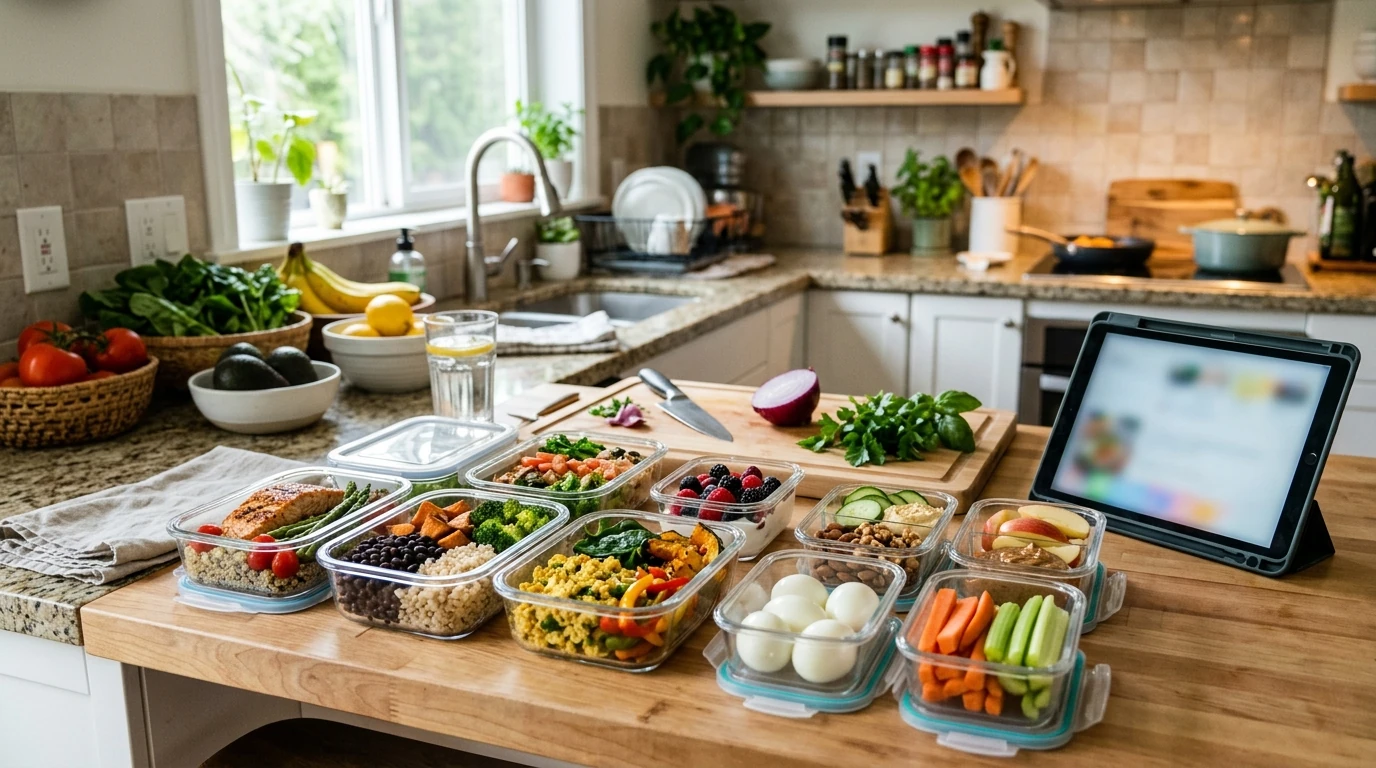
Healthy Meal Plan & Recipe Collection: One-Week or One-Month Balanced Meals for Breakfast, Lunch, Dinner & Snacks
A healthy meal plan works best when it’s repeatable, flexible, and built around balanced nutrition. When the “default” meals are easy to assemble, it’s simpler to stay consistent through busy weeks, changing schedules, and shifting appetites. Below is a practical approach to building balanced days, choosing a one-week reset or a full month routine, and using a recipe collection to reduce decision fatigue without sacrificing variety.
What “balanced nutrition” looks like across a full day
Balanced nutrition isn’t about perfect macros or rigid rules—it’s about building meals that keep energy steady and hunger predictable. A simple way to do that is to anchor each main meal with protein, high-fiber carbohydrates, and healthy fats, then add fruits and vegetables for volume and micronutrients. Helpful reference models include USDA MyPlate and the Harvard Healthy Eating Plate.
For many people, the biggest upgrade is spreading protein throughout the day instead of saving it all for dinner. Breakfast and lunch with adequate protein tend to reduce afternoon cravings and make snack choices feel less urgent. For portions, use a “plate method” cue: half non-starchy vegetables, a quarter protein, and a quarter whole grains or starchy vegetables, with a small portion of healthy fat as needed.
Finally, don’t overlook hydration and sodium awareness. If a few meals rely on packaged sauces or convenience foods, balance the week with mostly minimally processed meals and plenty of water—especially on active days.
Balanced day template (mix-and-match)
| Meal | Core components | Easy examples |
|---|---|---|
| Breakfast | Protein + fiber + fruit/veg | Greek yogurt + berries + chia; veggie omelet + whole-grain toast |
| Lunch | Protein + veg + whole grain | Chicken/bean bowl with brown rice; tuna salad wrap + side salad |
| Snack | Protein or fiber + healthy fat | Apple + peanut butter; hummus + carrots; cottage cheese + cucumber |
| Dinner | Protein + veg + smart carb | Salmon + roasted broccoli + quinoa; tofu stir-fry + mixed vegetables |
One-week vs one-month meal planning: choosing the right time frame
A one-week plan is ideal when you want a quick reset: you can test recipes, learn what prep steps actually fit your schedule, and build momentum without feeling locked in. It’s also a great option if you’re new to planning and want to practice grocery shopping and leftovers management.
A one-month plan shines when consistency is the goal. It reduces the number of “what’s for dinner?” moments, cuts down grocery runs, and makes it easier to rotate favorites while preventing boredom. Progress is also easier to track—especially for weight management, athletic performance, or steadier blood sugar—when meals have a repeatable structure week to week.
A practical hybrid approach: plan dinners for the entire week (where decision fatigue hits hardest) and keep breakfasts and lunches on a repeatable rotation. You still get variety, but the plan doesn’t require constant creativity.
How to set up the week: prep once, eat well all week
Meal prep works best when it focuses on building blocks instead of fully assembled meals. Choose 2–3 proteins to batch-cook (like chicken, tofu, or beans), plus 2–3 vegetable sides (sheet-pan roasted vegetables, a salad base, and sautéed greens). That combination can turn into bowls, wraps, salads, and dinner plates with minimal extra effort.
Next, prep one “smart carb” base such as brown rice, quinoa, sweet potatoes, or whole-wheat pasta. A single cooked carb makes meals feel complete and prevents the “protein + random snacks” pattern that can leave you hungry later.
To keep repeats from feeling repetitive, store sauces and toppings separately—salsa, pesto, tahini, yogurt-based dressings, nuts, seeds, or citrus. The same chicken and roasted veggies can become Mediterranean-style one night and taco-inspired the next.
A simple daily structure for breakfast, lunch, dinner, and snacks
Breakfast
Lunch
Dinner
Snacks
Grocery strategy that makes healthy plans easier to follow
Add one “backup dinner” for busy nights: a balanced frozen option or a fast meal like eggs + veggies + toast. For general guidance on building healthier patterns, the CDC’s nutrition resources can be a helpful reference point.
Common pitfalls—and how to avoid them
Healthy Meal Plan & Recipe Collection eBook: what it helps with
If you want structure without overthinking every meal, a guided recipe collection can make the plan feel automatic. The Healthy Meal Plan & Recipe Collection | One-Week or One-Month Healthy Meal Plan with Recipes for Breakfast, Lunch, Dinner & Snacks | Balanced Nutrition eBook organizes meal options across breakfast, lunch, dinner, and snacks so it’s easier to build balanced days without starting from scratch.
If staying consistent is more about follow-through than knowledge, pairing meal planning with better routines can help. Consider adding Finally Focused: The Anti-Procrastination Workbook – Productivity Ebook & Focus-Building Guide with Time Management Tools to tighten habits around shopping, prep, and weeknight cooking. And if your schedule is shaped by family life, First-Time Parent Survival Guide – Newborn Care, Sleep Tips, Emotional Support & Parenting Strategies Digital Download can be a practical companion for simplifying routines during demanding seasons.
FAQ
Can a meal plan work if there’s no time to cook every day?
Yes—batch-cook 2–3 components (a protein, a carb, and vegetables), use leftovers for lunches, and plan 1–2 low-cook meals using frozen or pre-cut items to stay consistent.
How can meals stay balanced without counting calories?
Use the plate method: half vegetables, a quarter protein, and a quarter whole grains or starchy vegetables, plus a small amount of healthy fat. Including protein at breakfast, lunch, dinner, and at least one snack also supports fullness and steadier energy.
Is a one-week plan enough, or is a full month better?
A one-week plan is great for testing recipes and building momentum, while a one-month plan makes habits easier and reduces daily decisions. Many people do best with a month-long framework plus weekly flexibility for swaps.












Leave a comment