Pet Travel Checklist: Safe Road Trips With Dogs & Cats
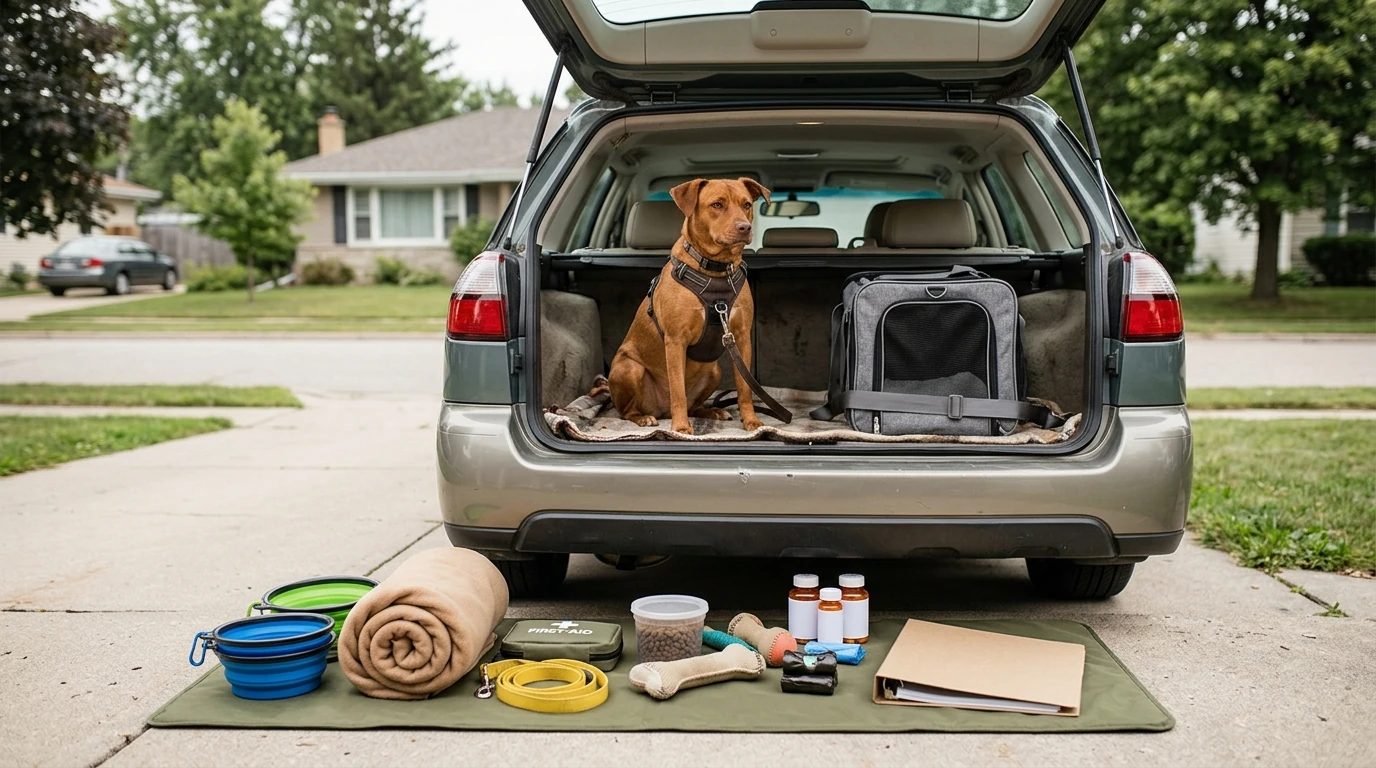
Pet Travel Essentials Checklist for Safer Road Trips and Vacations (Dogs & Cats)
Traveling with pets goes smoother when safety, comfort, and paperwork are handled before the car is loaded. A few smart decisions—like choosing the right restraint, confirming pet rules, and packing familiar comfort items—can prevent the most common trip-day problems (escape risks, tummy trouble, and stress behaviors). Use the sections below to build a reliable routine for quick weekend drives or longer vacations, and consider keeping a repeatable packing plan on hand.
Start with the trip basics (before packing)
Before you pull out bowls and toys, lock in the core logistics. This is where most “we forgot” moments start—especially with pet-friendly lodging rules and restraint setups.
- Confirm destination rules: Ask about pet fees, size limits, breed restrictions, vaccination requirements, and whether pets can be left unattended in the room.
- Choose a travel setup: Dogs do best in a crash-tested harness attached to a seat belt or in a secured crate. Cats (and small dogs) should ride in a sturdy carrier that can be seat-belted in place.
- Plan the route and schedule: Dogs typically need frequent breaks; cats usually do better with fewer disruptions and a quiet, consistent routine.
- Identify nearby care: Save the address and phone number of a 24/7 emergency vet near your destination and along major driving segments.
- Check weather and heat risk: Cars heat up fast. Plan shaded stops and avoid mid-day parking.
- Do a short practice ride: Introduce the carrier/crate early and reward calm behavior so travel day feels familiar.
For additional safety guidance, reputable references include the American Veterinary Medical Association (AVMA) and the ASPCA.
Health, paperwork, and identification to bring
Even on short trips, bring the essentials that help you get care quickly if something goes wrong. Keep one set digital and one set printed.
- Up-to-date ID: Collar tag plus microchip registration with your current phone number and email.
- Vaccination and medical records: Store digital copies on your phone and printed copies in a folder for hotels, boarding, or emergencies.
- Health certificate if needed: Some airlines, campsites, and border crossings require recent documentation—confirm timing rules.
- Medications and preventatives: Bring enough for the full trip plus a small buffer; use original labeled containers when possible.
- Flea/tick and heartworm protection: Stay on schedule, especially with hikes, beaches, and wooded stops.
- Motion sickness or anxiety support: Discuss options with a veterinarian well before travel and test anything new at home first.
- Photo set for “lost pet” readiness: Clear photos from multiple angles, plus a note of weight and distinguishing marks.
If your trip crosses state lines or involves close contact with other animals, review current public health travel guidance from the CDC Healthy Pets, Healthy People resources.
Packing list that covers comfort, feeding, and hygiene
Packing is easier when you group by “what problem this prevents”: stomach upset, dehydration, stress, and mess. A few duplicates (like a backup leash) also reduce risk if something gets misplaced.
Essentials checklist by category (dogs & cats)
| Category | What to pack | Notes for safer trips |
|---|---|---|
| Safety & restraint | Crash-tested harness OR secured crate; carrier for cats; seat-belt tether (compatible) | Avoid loose pets in the cabin; keep carriers secured and well-ventilated. |
| Health & paperwork | Vaccination/medical records; medication list; vet contact; microchip info | Store a printed copy in the glovebox and a digital copy on the phone. |
| Food & water | Measured meals; treats; collapsible bowls; water supply | Pack extra for delays; keep food in an airtight container. |
| Comfort | Bed/blanket; favorite toy; calming aid approved by vet | Familiar items help reduce stress in new rooms. |
| Hygiene & cleanup | Poop bags; wipes; enzymatic cleaner; towels | Handle accidents quickly to reduce odor and repeat marking. |
| Cats only | Travel litter; small litter box/tray; scoop; puppy pads | Set up a quiet bathroom corner in the room; keep doors closed during setup. |
| Dogs only | Long line; paw balm (seasonal); cooling towel (hot weather) | Use a leash at every stop; check paws after rough terrain. |
Car setup and road-trip safety habits
Hotel, rental, and family-visit checklist
Emergency kit and “what if” scenarios
Printable planner option for smoother packing
- Printable Pet Travel Essentials Checklist and Planner (digital download) is designed to track safety, health, feeding, comfort, and cleanup items for dogs and cats.
- Finally Focused: The Anti-Procrastination Workbook can be a helpful add-on if trip prep tends to get squeezed into the night before departure.
FAQ
What is the safest way for a dog to ride in a car on a road trip?
The safest option is a crash-tested harness attached to a seat belt or a secured travel crate sized for your dog. Keeping dogs restrained (never loose in the cabin) reduces injury risk during sudden stops and helps prevent driver distraction.
How do you travel with a cat in a car without stressing them out?
Use a secure carrier (often lightly covered for calm), keep the car quiet and temperature-controlled, and bring familiar bedding with a known scent. Limit frequent handling during stops, and set up a calm “home base” on arrival with water and a litter area before exploring.
What paperwork should be packed when traveling with pets?
Bring vaccination and medical records, a current medication list, microchip details, and any required health certificate for your destination or lodging. Keep both digital copies on your phone and printed copies in a travel folder for quick access.











Leave a comment