Kids Bedtime Wind-Down: Calm Night Routine That Works
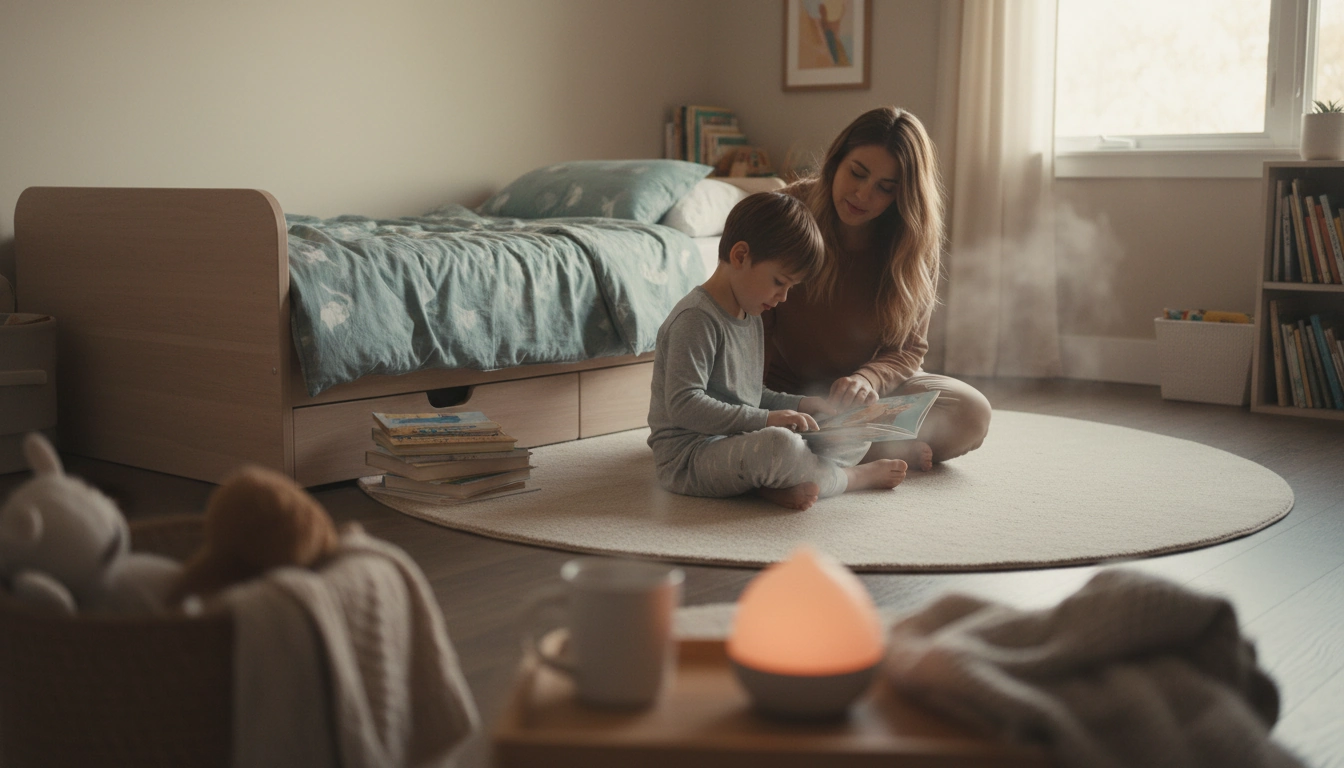
How to help kids wind-down at night?
Helping kids settle at night works best when the brain gets the same predictable cues every evening: slower pace, softer light, and a calm connection with you. A consistent wind-down routine can reduce bedtime battles, shorten the time it takes to fall asleep, and make wake-ups less cranky.
Start with a steady schedule
Aim for the same bedtime and wake time most days, even on weekends. If bedtime needs to shift, move it in 10–15 minute steps every few nights so the body clock can adjust without a meltdown.
Build a simple, repeatable routine (20–40 minutes)
Choose 3–5 steps your child can memorize: bath or quick wash-up, pajamas, brush teeth, pick tomorrow’s clothes, then a short story or quiet music. Keeping the order the same helps kids feel safe and “done” for the day.
Lower stimulation in the hour before bed
Dim lights, turn off loud shows, and keep play calm (puzzles, coloring, or reading). If screens are used, stop them at least 30–60 minutes before bedtime since bright light and fast content can make it harder to settle.
Create a sleep-friendly room
Keep the bedroom cool, dark, and quiet. A nightlight is fine if it prevents fear, and a fan or white noise can help block household sounds. Offer a comfort item, and keep “one more thing” requests limited with a brief, consistent response.
Try calming connection instead of negotiation
Many kids unwind faster with a few minutes of focused attention: a cuddle, a short chat about “best part of today,” or a simple breathing game (inhale like smelling a flower, exhale like blowing out a candle). If they stall, calmly guide them back to the next routine step without debating.
For more ideas and a ready-to-use routine, visit How to Help Kids Wind-Down at Night.
FAQ
What are some calming bedtime activities for kids?
Stick to low-energy options like reading together, gentle stretches, quiet music, or a simple gratitude chat. Repeating the same calming activity nightly helps the body associate it with sleep.












Leave a comment