Wedding Floral Design Guide: Budget, Blooms, Timeline
Wedding Floral Design Guide: Plan, Source, Arrange, and Preserve Every Bloom
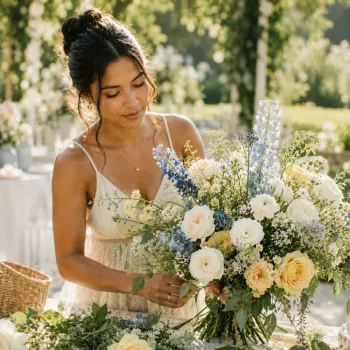
Wedding flowers shape the mood of the day—from the first look to the final dance. A strong floral plan keeps everything cohesive and calm: define a clear vision, choose seasonal blooms, set a realistic budget, plan quantities, build signature pieces, and follow a setup timeline that protects freshness.
Start With a Clear Floral Vision
Before pricing stems or pinning recipes, decide what the flowers need to communicate. A focused direction makes every later choice faster—especially substitutions.
Pick a style, palette, and texture plan
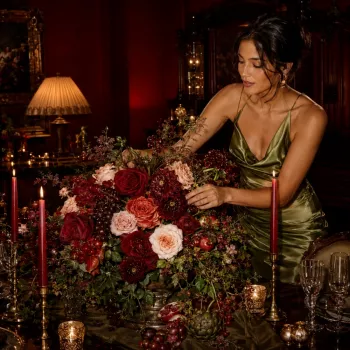
- Choose a design direction: romantic garden, modern minimal, classic white-and-green, wildflower, or moody jewel tones.
- Align flowers with your venue’s features—architecture, lighting temperature, and existing décor—so the arrangements look intentional rather than “added on.”
- Decide the hero moments that deserve the most attention: ceremony backdrop, aisle pieces, bridal bouquet, head table, or an entrance installation.
- Create a concise palette: 2–4 main colors plus neutrals and foliage for cohesion across photos.
- Pick textures on purpose: soft petals (roses, ranunculus), spires (delphinium), airy fillers (baby’s breath), and structural greens (eucalyptus).
Build a Practical Floral Budget
A wedding flower budget isn’t only about stem costs—it’s also about labor, mechanics, supplies, and timing. Start by funding the pieces guests will remember most and the items you’ll be holding in close-up photos.
- Split spending by impact: prioritize ceremony focal pieces and personal flowers before tiny table details.
- Use a few premium blooms as accents, relying on seasonal flowers and greenery for volume.
- Reduce labor costs by simplifying mechanics: fewer complex installs, more repeatable centerpiece “recipes.”
- Plan for supplies: tape, floral wire, foam alternatives, clippers, buckets, hydration, ribbons, pins, and transport containers.
- Add a 5–10% contingency for substitutions or last-minute additions.
Common Wedding Flower Line Items
| Category | Examples | Cost drivers | Ways to simplify |
|---|---|---|---|
| Personal flowers | Bridal bouquet, bridesmaids, boutonnieres, corsages | Premium blooms, ribbon finish, wiring time | Limit varieties; repeat recipe; choose simpler wraps |
| Ceremony décor | Arch, aisle markers, welcome arrangement | Install labor, mechanics, large quantities | Use reusable stands; greenery base; repurpose to reception |
| Reception tables | Centerpieces, bud vases, garlands | Vessel rentals, stem counts, set-up time | Bud vases in clusters; fewer large centerpieces |
| Statement pieces | Hanging installs, floral chandeliers | Rigging, engineering, extra staff | Create one focal area; mix in faux/greens where appropriate |
| Extras | Cake flowers, signage, toss bouquet | Small but detailed work | Use leftover stems; keep designs minimal |
Choose Seasonal Flowers and Smart Substitutions
Seasonality drives price, availability, and how well blooms hold up during a long wedding day. Begin with your date and climate, then build a flexible “look” that can survive substitutions without changing the vibe.
- Start with the wedding date and climate: seasonality impacts price, availability, and longevity.
- Select 1–2 must-have blooms, then build around them with seasonal supporting flowers.
- Plan substitutions in advance so the look stays consistent if a bloom is unavailable.
- Use foliage for structure and scale: ruscus, eucalyptus, smilax, olive, leatherleaf.
- Consider scent and pollen: avoid heavily staining pollen near light fabrics; choose low-scent options for sensitive guests.
For regional timing guidance and plant references, check the Society of American Florists and bloom season notes via the Missouri Botanical Garden Plant Finder.
Design the Key Pieces (With Proportions That Photograph Well)
Good wedding florals don’t just “look pretty up close”—they read well across a room and in photos. Proportion is the difference between arrangements that feel lush and arrangements that disappear.
- Bridal bouquet: scale to the dress silhouette; add movement with trailing greenery or a gentle asymmetry if desired.
- Bridesmaids: repeat the bridal palette with fewer varieties and simpler shapes for a polished set.
- Boutonnieres and corsages: keep compact, with secure mechanics to prevent droop and bruising.
- Ceremony focal: design at face height for photos while keeping clear sightlines for guests.
- Centerpieces: keep them either low (below chin level) or tall (above eye level) to avoid blocking conversation.
Mechanics and Techniques for Long-Lasting Arrangements
Quantity Planning and a Simple Stem Count Approach
Sample Centerpiece Recipe Template
| Arrangement type | Greens (stems) | Focal blooms (stems) | Secondary blooms (stems) | Filler (stems) | Notes |
|---|---|---|---|---|---|
| Low compote centerpiece | 8–12 | 3–5 | 5–7 | 3–6 | Scale up greens first for volume |
| Bud vase | 0–1 | 1 | 0–1 | 0–1 | Use variety across the table for texture |
| Aisle marker | 6–10 | 2–3 | 3–5 | 2–4 | Design to attach securely to chairs/stands |
Timeline: From Ordering to Set-Up
Preservation and Keepsake Ideas
A Ready-to-Use Planning Workbook
- Wedding Floral Design Guide (digital download) keeps vision notes, recipes, stem counts, and setup order in one place.
- For time blocking and follow-through, pair your flower checklist with Finally Focused: The Anti-Procrastination Workbook to map build days, pickup windows, and delegation.
- If you’re coordinating florals with overall reception styling, Styling Your Walls With Art can help tie ceremony backdrops, signage areas, and photo moments into a cohesive look.
FAQ
How far in advance can wedding flowers be made?
Most flowers can be conditioned 2–3 days ahead if they’re kept hydrated in clean buckets and stored cool and shaded. Build hardy items (garlands, many centerpieces, bouts) about 1 day ahead, and finish bridal bouquets and delicate pieces the day-of when possible for the freshest look.
What flowers hold up best for an outdoor wedding?
Heat-tolerant choices include orchids, anthurium, carnations, roses, and chrysanthemums, plus sturdy greenery like ruscus and leatherleaf. Prioritize shade, minimize wind exposure, keep water sources nearby, and avoid leaving arrangements in direct sun before the ceremony.
How can ceremony flowers be reused at the reception?
Move aisle markers to cocktail tables, transfer arch pieces to a sweetheart/head table, and relocate welcome arrangements to the gift or escort-card area. Assign one helper to execute the moves quickly, and use sturdy mechanics (secure ties/stands) so arrangements travel without collapsing.








Leave a comment