Mix a Fine Face Scrub for Gentle Exfoliation
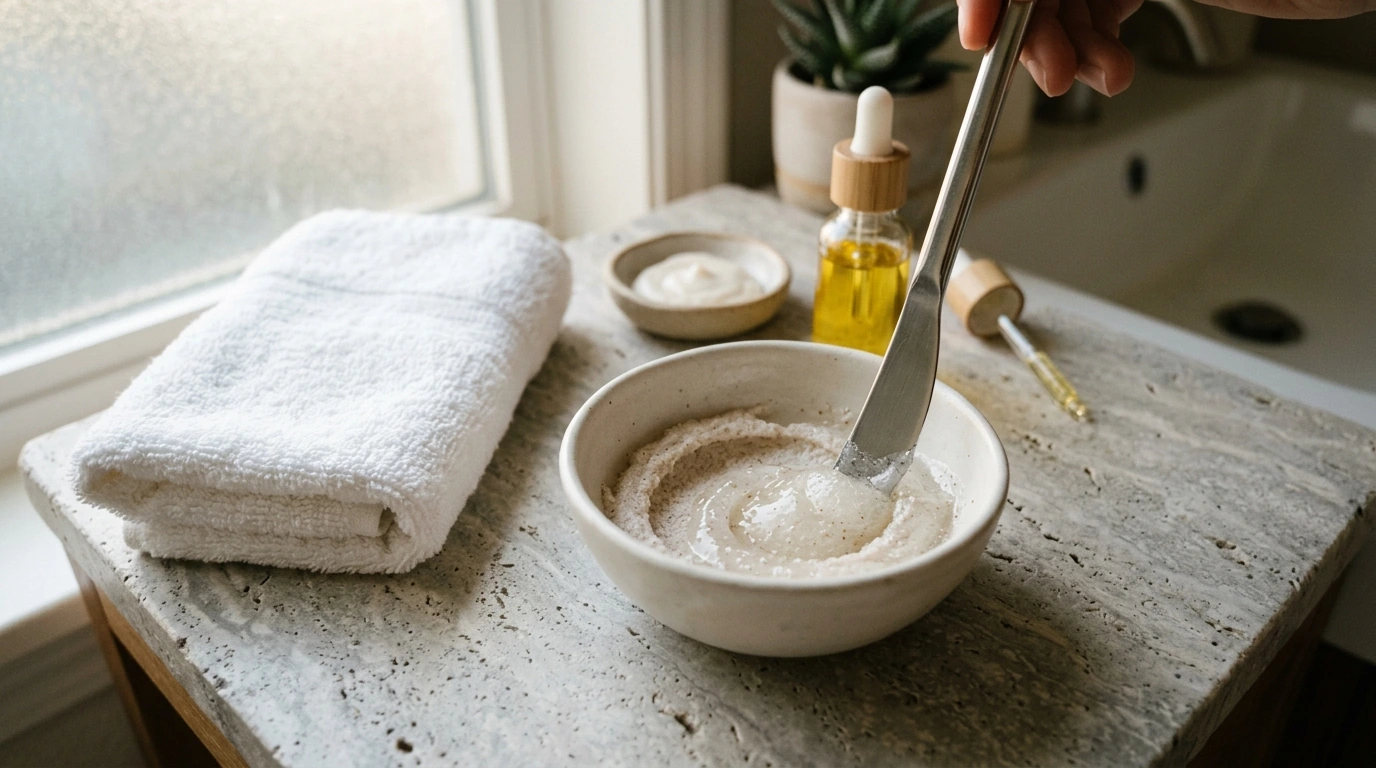
Mixing Soft, Fine Face Scrubs for Gentle, Custom Exfoliation
Soft, fine face scrubs can help lift away surface buildup without the harsh “sandpaper” feel that often triggers redness. Mixing a fine scrub with compatible add-ins (like a mild cleanser, hydrating gel, or soothing oil) lets you tailor the texture and slip to match daily needs—especially when skin feels dry, congested, or easily irritated. The goal is simple: smoother-looking skin with minimal friction and a healthy-looking glow. For more guidance, see [PDF] REVIEW ON: POLYHERBAL FACIAL SCRUB – IJCRT.org.
What “soft, fine” exfoliation means for facial skin
Not all scrubs feel the same. “Soft, fine” typically refers to smaller, more uniform particles designed to reduce sharp edges and heavy abrasion compared with coarse scrubs. That matters because facial skin—especially cheeks and around the mouth—can show redness quickly when friction is too high. For further reading, see Homemade sugar scrubs for skin care – MSU Extension.
- Fine particles are designed to reduce sharp edges and heavy abrasion compared with coarse scrubs.
- Gentle manual exfoliation focuses on loosening surface dead skin and improving product spread, not “scrubbing hard.”
- Skin that stings, flakes, or gets red easily usually benefits from fewer passes and more slip (more product, less pressure).
- If active breakouts are inflamed or painful, skipping physical exfoliation can prevent additional irritation.
For general exfoliation safety guidance, the American Academy of Dermatology Association emphasizes being gentle and avoiding overdoing it—especially when skin is already compromised.
When to use a mixed face scrub (and when to skip it)
Mixing is useful when you want the benefits of a fine scrub, but need more glide. Think of it as “buffering” the particles so they polish without grabbing.
- Useful for dullness, rough patches, makeup clinging to dry areas, or mild congestion on the T-zone.
- Helpful before shaving facial peach fuzz when done lightly and followed by soothing hydration.
- Skip on sunburn, eczema flares, open cuts, or immediately after strong actives (retinoids, strong acids) if skin feels sensitized.
- If acne is cystic or inflamed, choose a low-friction cleanse and consult a dermatologist for a treatment plan.
If you’re unsure whether you’re exfoliating too often, Cleveland Clinic’s overview on how to exfoliate without irritation is a helpful reference point for scaling back when your barrier feels stressed.
Mixing methods: 3 simple ways to adjust texture and comfort
Mix only what you’ll use immediately (to reduce contamination risk), and use clean hands or a sanitized spatula. The best mix-in is the one that increases slip so you don’t feel tempted to press harder.
1) Mix with a gentle cleanser
- Increases slip, reduces drag, and helps distribute particles evenly.
- Often a good match for sensitive or dry-leaning skin.
2) Mix with a hydrating gel or non-exfoliating serum
- Adds cushion, which can reduce the urge to “work” the scrub too long.
- Great for cheeks and around the mouth where skin may be thinner or easily flushed.
3) Mix with a light facial oil (sparingly)
- Boosts glide for very dry patches.
- Use a small amount to avoid a heavy film—especially on oily areas.
- Avoid mixing with strong exfoliating acids, gritty powders, or fragranced body products that can raise irritation risk.
| Skin feel today | Mix ratio | Best for | Pressure & time |
|---|---|---|---|
| Very sensitive or tight | 1 part scrub : 2–3 parts cleanser/gel | Cheeks, dry areas | Feather-light, 10–20 seconds per area |
| Balanced/normal | 1 part scrub : 1–2 parts cleanser/gel | All-over touch-up | Light, 20–30 seconds total |
| Oily/congested (not inflamed) | 1 part scrub : 1 part cleanser | T-zone focus | Light, short circles; avoid overworking |
Step-by-step routine for mixing and using a fine face scrub
A gentle technique matters more than the amount of grit. Keep the session short, and think “polish” instead of “scrub.”
How often to exfoliate: a practical frequency guide
Common mistakes that make fine scrubs feel harsh
For a quick reminder on cosmetic safety basics (including why cleanliness and proper use matters), the FDA cosmetics basics page is a solid overview.
Product spotlight: a simple fine scrub option to keep on hand
If you want one flexible exfoliant that’s easy to “custom-dilute,” Mixing Soft, Fine Face Scrubs is a budget-friendly option for adjusting texture by blending with a gentle cleanser or hydrating gel. It works well for quick polishing when skin looks dull, and for targeted smoothing on rough areas without relying on coarse grit. Afterward, keep your routine calm with a bland moisturizer to support comfort.
If you like tracking what your skin tolerates (frequency, pressure, and which mix-ins feel best), a simple habit and routine tracker can help. A digital tool like Finally Focused: The Anti-Procrastination Workbook – Productivity Ebook & Focus-Building Guide with Time Management Tools can be repurposed to log what you used and how your skin responded over the next 24 hours.
FAQ
Can a fine face scrub be used on sensitive skin?
Often yes when it’s diluted for extra slip, used with very light pressure, and limited to once weekly to start. Avoid it if your skin is actively irritated, sunburned, or flaring.
What should a fine face scrub be mixed with?
A gentle cleanser or hydrating gel is usually the safest way to add glide. A small amount of light facial oil can help very dry patches, but avoid combining with strong acids or harsh products.
How long should exfoliation take when using a scrub?
Keep it brief—around 20–30 seconds total with minimal pressure. Longer sessions increase irritation risk without adding much benefit.










Leave a comment